Keep exploring
The whole journal
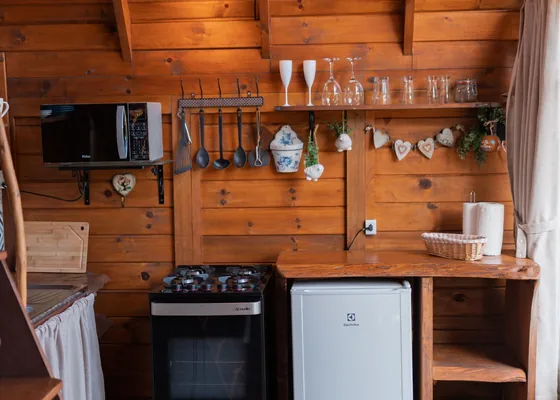
Choose a cottageA beautiful kitchen photograph cannot tell you whether dinner for six will be straightforward. Start with the meals you expect to make, then look for the space and equipment they need.
Read the guide ↗ 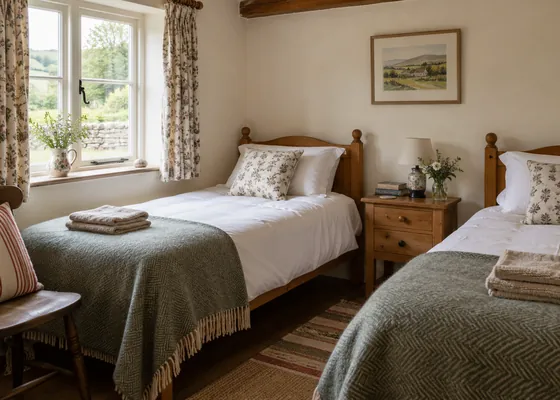
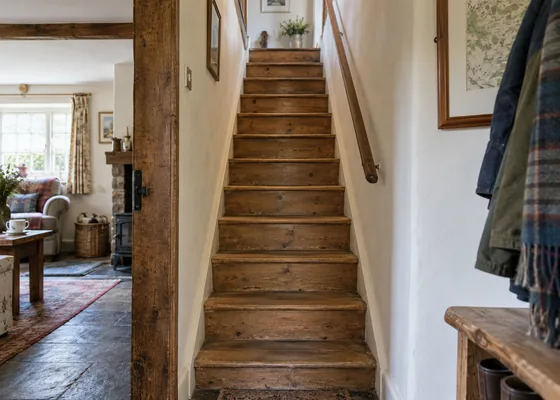
Choose a cottageAn old staircase can be part of a cottage's appeal and an important practical limitation. Look at the whole route, not just the attractive banister.
Read the guide ↗ 
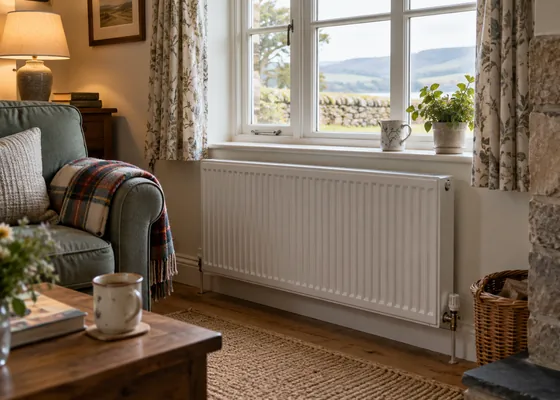
Choose a cottageFor a cool-weather stay, find out how the whole cottage is heated rather than letting one inviting fireplace answer the question.
Read the guide ↗ 
Choose a cottageAccommodation photographs are good at showing individual rooms. Your job is to work out what connects them and what remains outside the frame.
Read the guide ↗ 
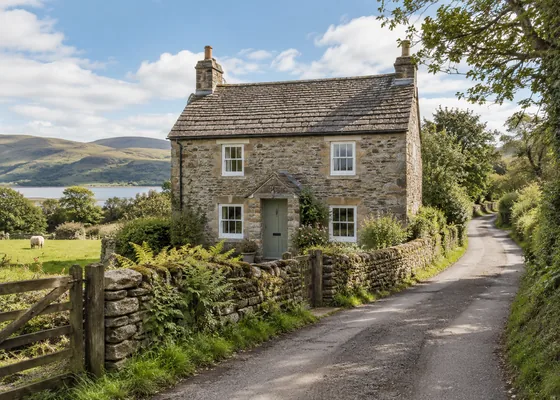

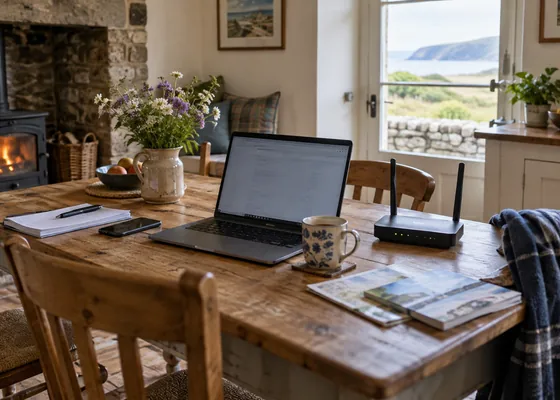
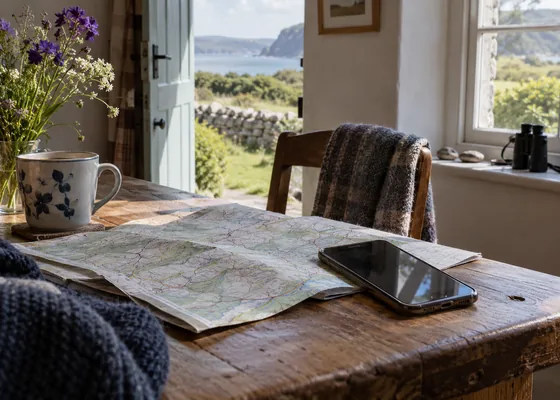
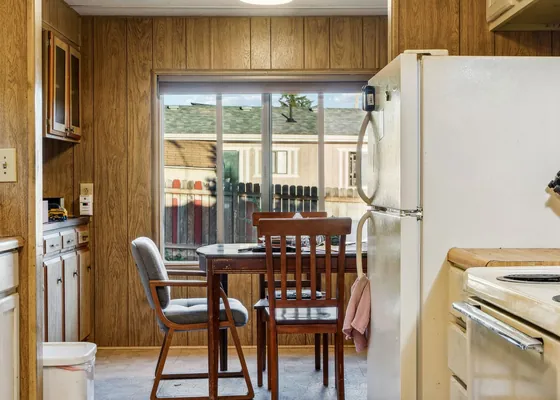
Choose a cottageThe table is where a cottage's advertised occupancy meets everyday life. Check that everyone can sit down and still move around.
Read the guide ↗ 




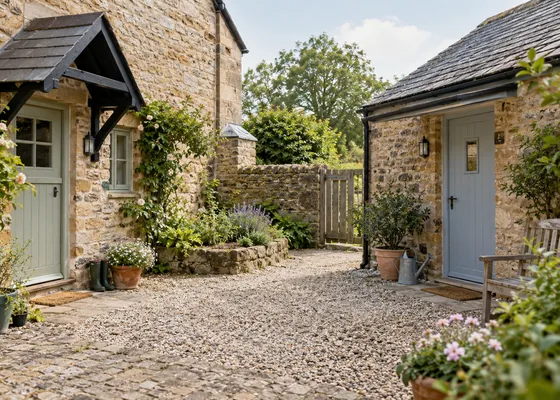
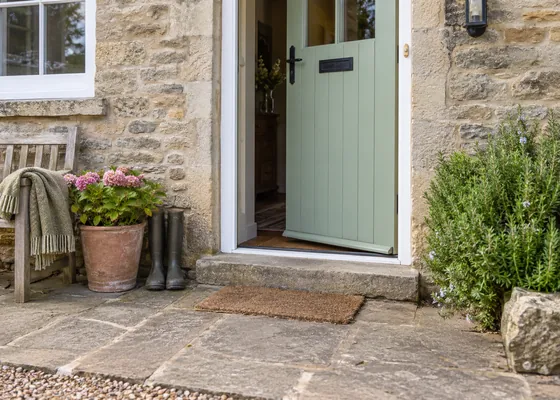
Choose a cottageUseful access information describes the route and the room. It lets you decide what works for you instead of relying on a broad label.
Read the guide ↗ 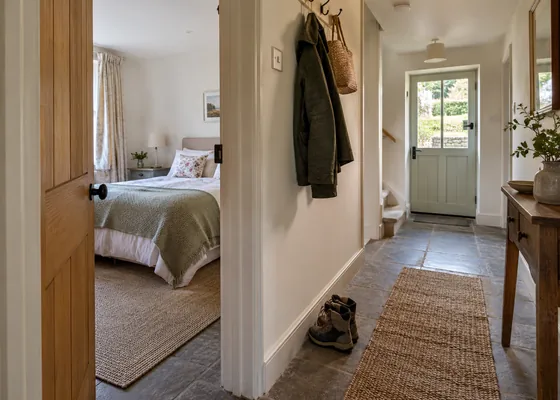
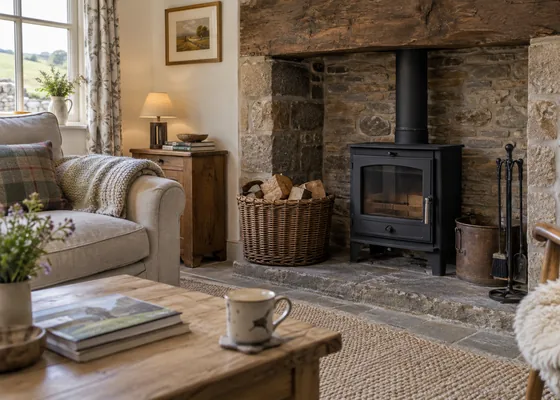
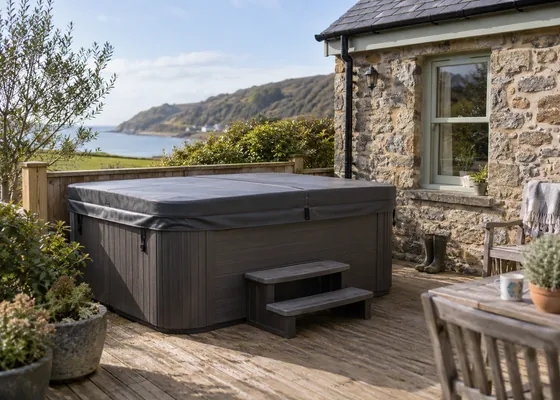
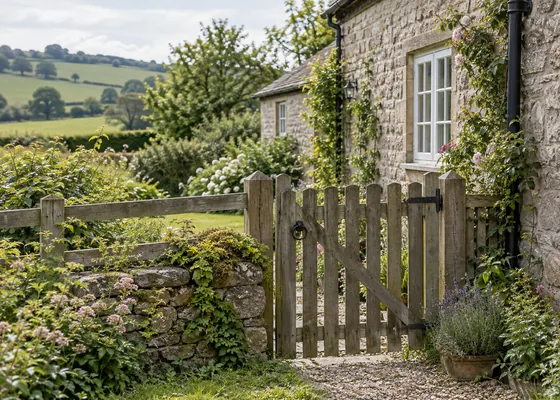

Choose a cottageThe final lane can shape arrival more than the main journey. Find out what the last stretch involves while you still have time to plan.
Read the guide ↗ 
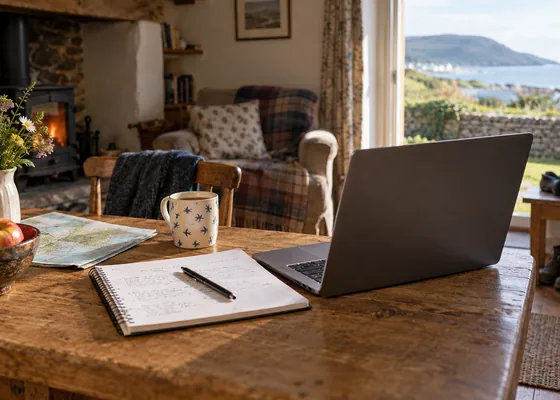
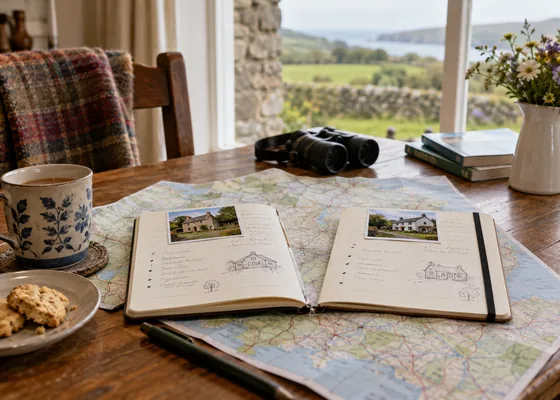
Choose a cottageTwo appealing cottages can be difficult to compare because each photographs its strongest feature. Give the ordinary parts of the stay equal attention.
Read the guide ↗ 

Choose a cottageA good rainy-day cottage gives people room to enjoy themselves indoors without making the whole holiday depend on staying inside.
Read the guide ↗ 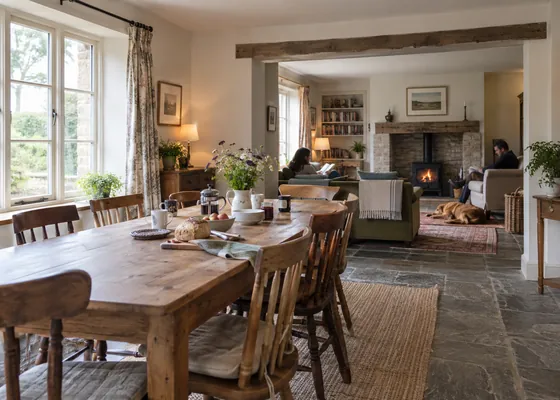
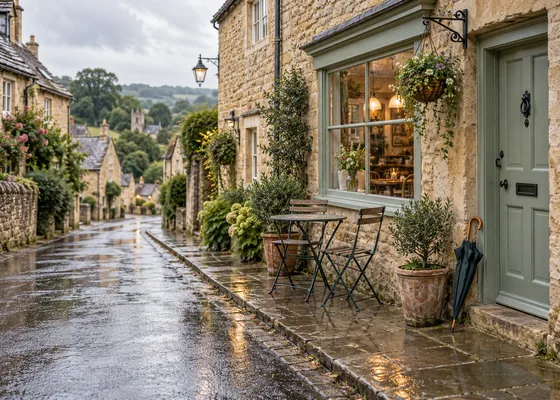
Country daysA wet afternoon can suit a small village surprisingly well. The trick is to give it a shape without turning every pause into a purchase.
Read the guide ↗ 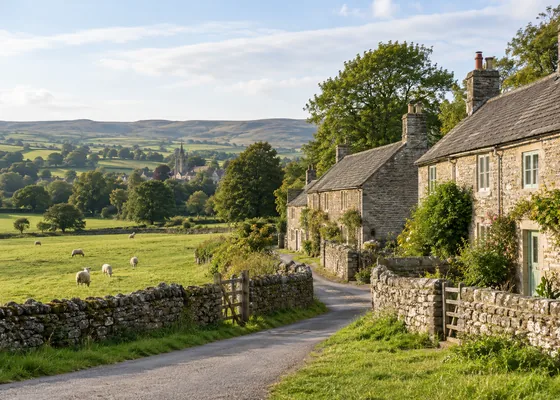
Country daysA cottage on the last lane of a village can offer both open views and everyday convenience. The useful question is how those two sides connect.
Read the guide ↗ 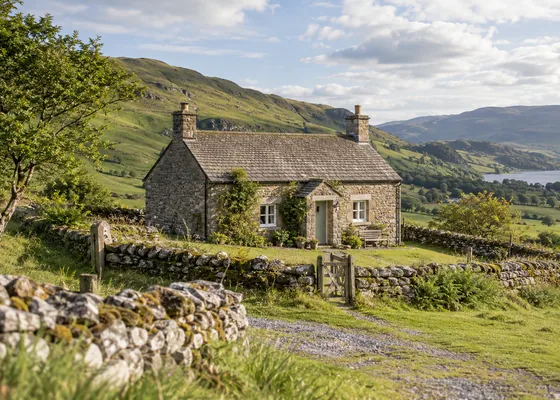
Country daysA cottage away from other houses offers a particular kind of freedom. It also moves small everyday tasks further from the front door.
Read the guide ↗ 
Country daysA cottage near woodland offers shade, changing light and walks with a close-up view. Check what sort of woodland experience is actually on the doorstep.
Read the guide ↗ 
Country daysA river can give a village a natural centre, but the most enjoyable base is one where the water and the everyday routes fit together.
Read the guide ↗ 
Country daysA market-town outing works best when there is time to browse, buy something useful and enjoy the town around the stalls.
Read the guide ↗ 
Country daysOne manageable walk can give a cottage afternoon enough shape. Choose it for the people and conditions, then leave room to pause.
Read the guide ↗ 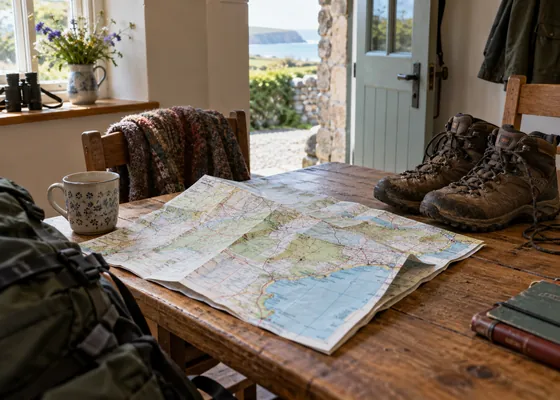
Country daysA map can tell you more than the distance of a walk. Read it alongside a current route description to understand what the afternoon will feel like.
Read the guide ↗ 
Country daysA cottage beside a working farm comes with real rural activity. Knowing what is shared and what is separate helps everyone enjoy the stay.
Read the guide ↗ 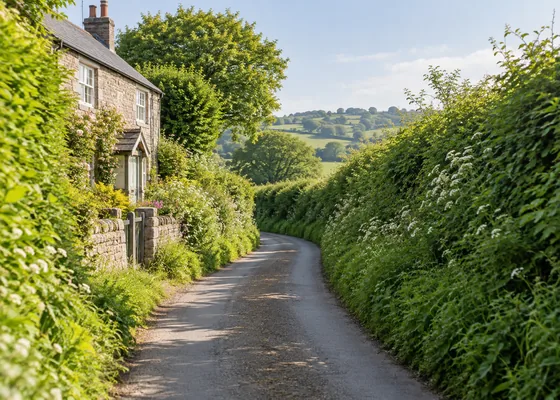
Country daysA lane between high hedges can feel wonderfully enclosed. Enjoy it as part of a considered route, not as a promise that every country road is a footpath.
Read the guide ↗ 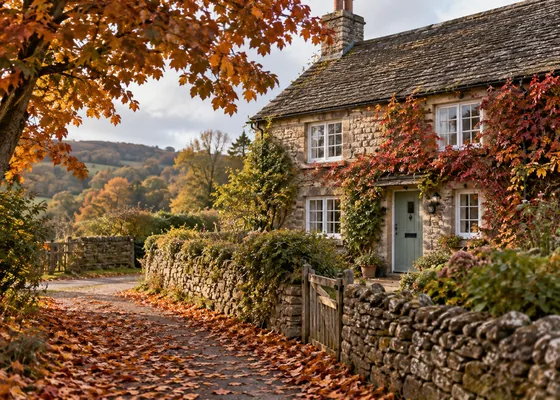
Country daysAn autumn cottage stay has more to offer than a hunt for peak leaf colour. Plan around shorter days, warm pauses and places that still work in mixed weather.
Read the guide ↗ 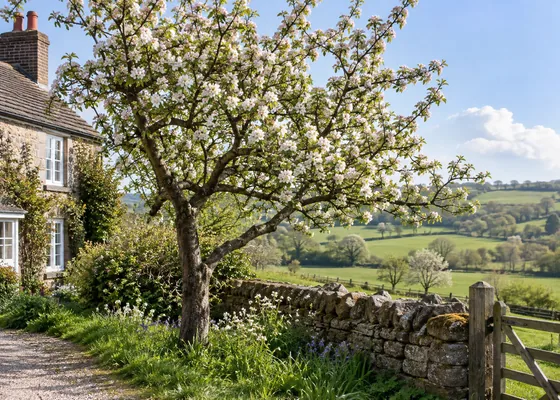
Country daysA spring country break is a chance to watch a landscape becoming busier. Keep plans flexible and enjoy the details that happen to be there.
Read the guide ↗ 
Country daysShort days call for a different holiday rhythm. Put the outdoor part first, choose a manageable radius and make returning early feel like part of the plan.
Read the guide ↗ 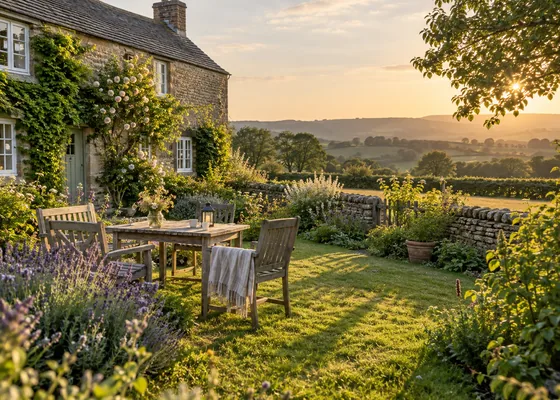
Country daysA long evening can be the best part of a summer cottage stay. Leave it some space rather than filling the extra light with another journey.
Read the guide ↗ 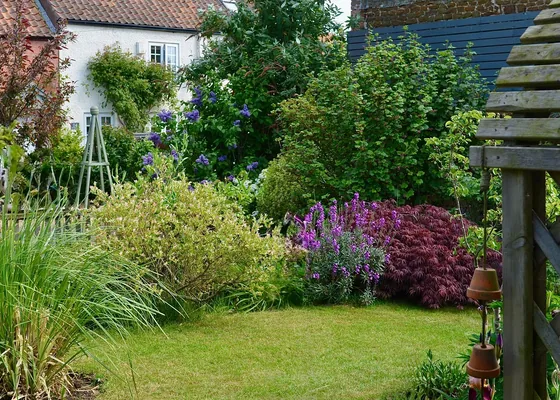
Country daysA garden visit can fill an easy afternoon, provided you choose the scale and facilities that suit the group rather than the most famous name nearby.
Read the guide ↗ 
Country daysA village shop can make a cottage stay feel easier and more connected to its surroundings. Work with what it offers rather than expecting a small supermarket.
Read the guide ↗ 
Country daysA walk ending with a pub lunch sounds simple. Check the route and the kitchen hours separately, then give both enough time to be enjoyable.
Read the guide ↗ 
Country daysTwo neighbouring villages can make a varied day without a long drive. Give each a different role instead of trying to see everything in both.
Read the guide ↗ 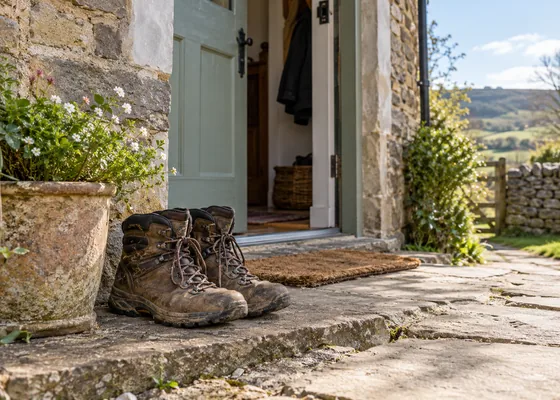
Country daysLeaving the car parked for one day can change the pace of a cottage holiday. First make sure the immediate area offers a day you would actually enjoy.
Read the guide ↗ 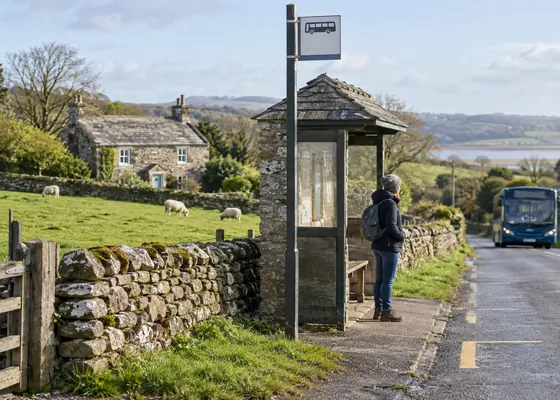
Country daysA rural break without a car begins with the last connection, not the main train journey. Build the stay around routes that genuinely work on your dates.
Read the guide ↗ 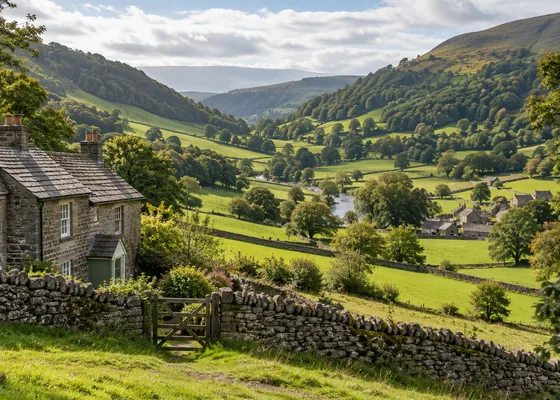
Country daysA hillside view and a valley setting offer different daily experiences. Think about light, routes and the journey home as well as the photograph.
Read the guide ↗ 
Country daysA moorland setting offers space, sky and a strong sense of weather. Enjoying it does not require making every day a long walk across open ground.
Read the guide ↗ 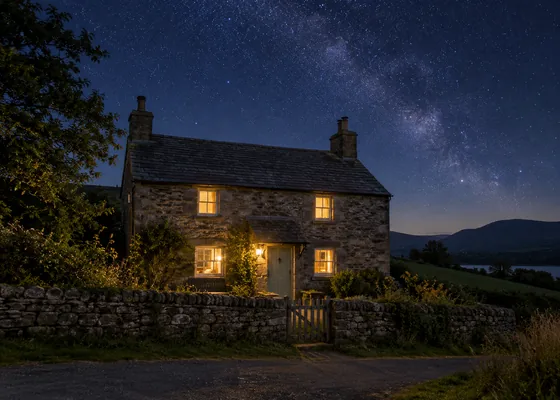
Country daysA rural evening can reveal a sky that is easy to overlook at home. Keep the experience simple, comfortable and considerate of the place around you.
Read the guide ↗ 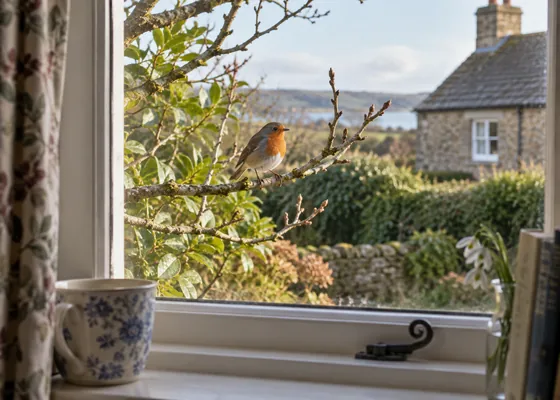
Country daysA cottage window can be a good place to notice birds without organising a separate outing. Let the garden's ordinary activity set the pace.
Read the guide ↗ 
Country daysA canal outing offers boats, bridges and a changing view at a gentle pace. Choose a suitable stretch and leave time to watch rather than cover distance.
Read the guide ↗ 
Country daysA village church can offer a quiet pause and a closer look at local history. Approach it as a living place, with its own opening arrangements and uses.
Read the guide ↗ 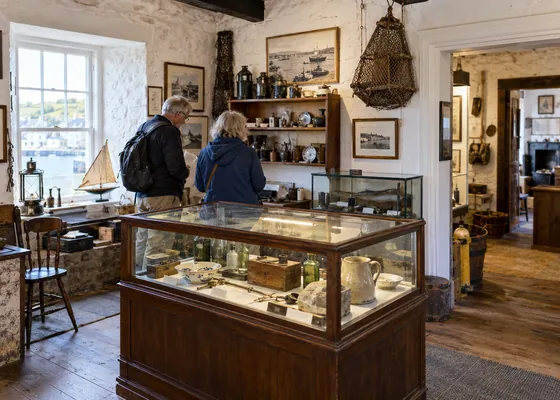
Country daysA small museum can explain the ordinary details of a place: its work, homes and journeys. Give it enough time to tell one good story.
Read the guide ↗ 
Country daysA camera can encourage slower looking on a country walk. Keep the route comfortable and let the photographs come from what is actually there.
Read the guide ↗ 
Country daysStone villages are easy to admire in a photograph. On a visit, look for the small differences that make one place distinct from the next.
Read the guide ↗ 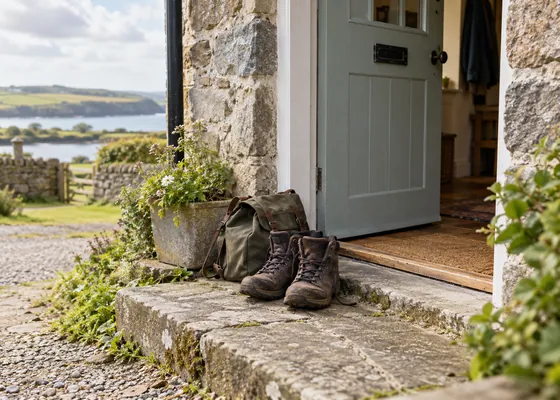
Country daysReturning to a familiar cottage area removes some planning and creates room for smaller discoveries. Keep a few favourites without demanding an exact repeat.
Read the guide ↗ 
Country daysA midweek stay can reveal the ordinary working pattern of a village. Plan around that rhythm rather than assuming every day behaves like Saturday.
Read the guide ↗ 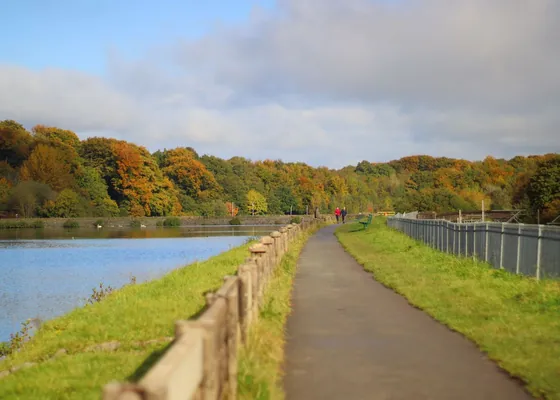
Country daysA lake can anchor a whole afternoon without a boat trip or a complete circuit. Choose one comfortable stretch and build the day around its view.
Read the guide ↗ 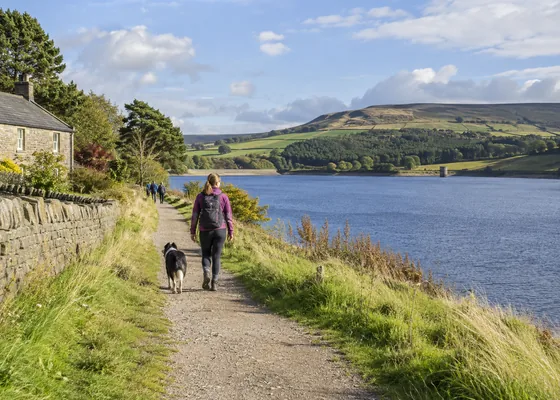
Country daysReservoir paths can offer an open view and a clear walking focus. Check the managed route rather than assuming the entire water's edge is available.
Read the guide ↗ 
By the coastThe surface of a beach changes the day more than its colour in a photograph. Think about walking, sitting and carrying things before choosing a coastal base.
Read the guide ↗ 
By the coastA harbour town offers movement, shops and a natural place to wander. Its working rhythm is part of the setting, so look beyond the view of boats.
Read the guide ↗ 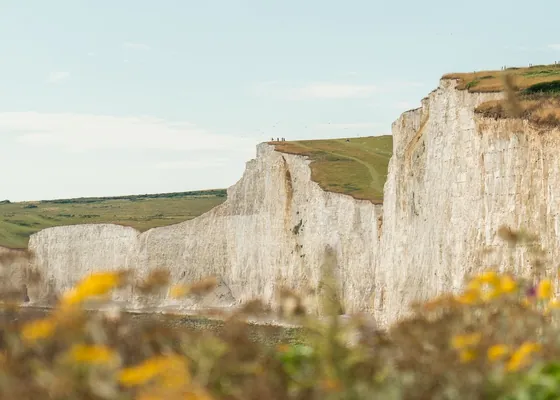
By the coastA clifftop location can bring a wide horizon into everyday life. Choose it with a clear picture of access, exposure and the routes you will actually use.
Read the guide ↗ 
By the coastAn estuary offers changing water, boats and wide views without the same atmosphere as an open beach. Its quieter appearance still deserves careful planning.
Read the guide ↗ 
By the coastA seafront address makes the coast part of an ordinary errand. It also places you close to the activity that gives a seaside town its character.
Read the guide ↗ 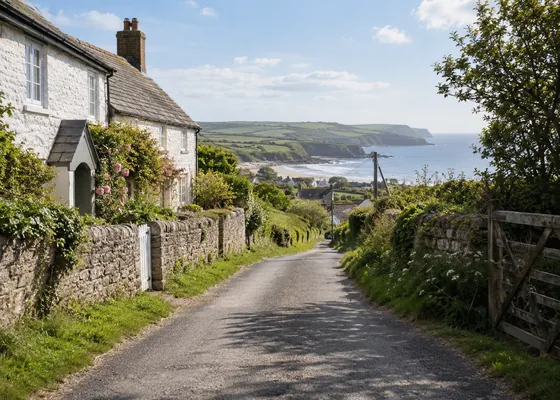
By the coastStaying a little away from the shore can bring village life and easier evenings into a coastal holiday. Check that the beach journey remains one you want to repeat.
Read the guide ↗ 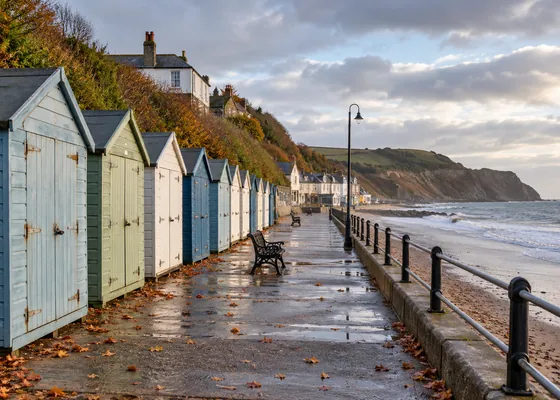
By the coastThe coast outside its busiest months can be spacious and absorbing. It helps to choose it for what remains, rather than expecting a summer holiday with fewer people.
Read the guide ↗ 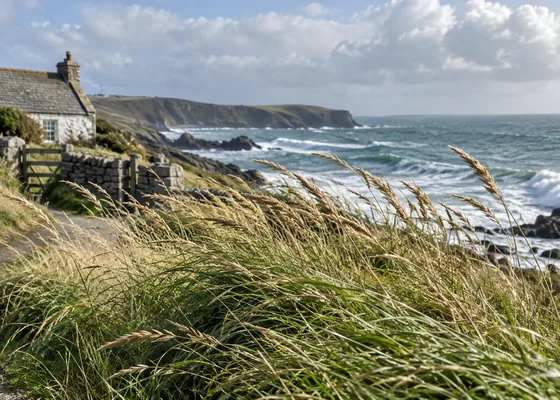
By the coastWind can change a coastal plan even when the sky is bright. Choose comfort and current conditions over the outing imagined the night before.
Read the guide ↗ 
By the coastRain can shrink a seaside day pleasantly if you choose a few nearby places and stop trying to preserve a beach itinerary.
Read the guide ↗ 
By the coastTide information belongs near the beginning of a beach plan. It helps you choose when and where to visit without turning a timetable into a safety guarantee.
Read the guide ↗ 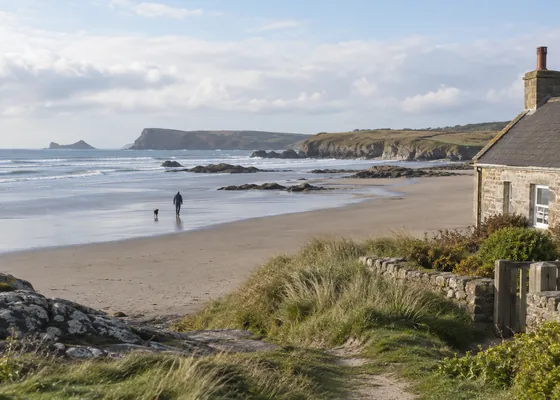
By the coastA beach chosen for walking may need different qualities from one chosen for a long sit. Surface, access and an easy return matter more than facilities for a full beach day.
Read the guide ↗ 
By the coastA promenade can provide an easy connection to the sea without making every outing a beach expedition. Look for the stretch that suits your pace.
Read the guide ↗ 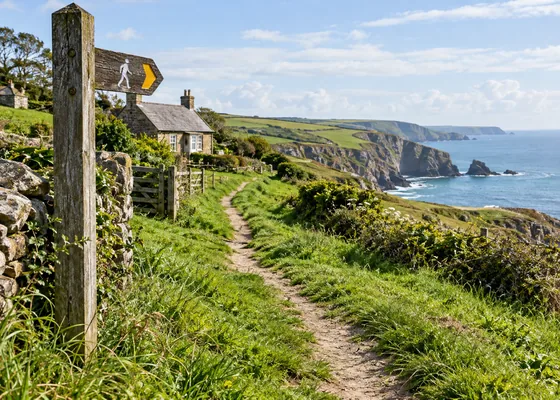
By the coastA coast path can offer a wonderful afternoon, but the right section matters more than its reputation. Match the terrain, connections and conditions to the people walking.
Read the guide ↗ 
By the coastRock pools reward patient looking at close range. A gentle outing needs suitable access, local tide knowledge and care for the small habitat in front of you.
Read the guide ↗ 
By the coastA pebble shore offers colour, texture and a distinctive sound. Plan for the surface and enjoy it without expecting the same afternoon as on soft sand.
Read the guide ↗ 
By the coastA beach behind dunes can feel wonderfully separate from the road. The approach is part of the outing, so allow for the distance and protect the landscape you pass through.
Read the guide ↗ 
By the coastA saltmarsh is a place to look across carefully, from suitable routes. Its channels and shifting patterns can reward a quiet visit without stepping onto the marsh itself.
Read the guide ↗ 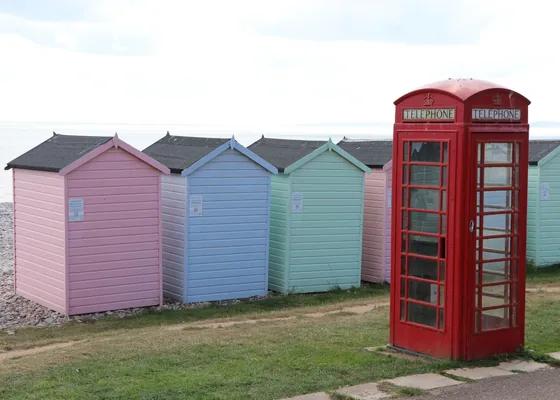
By the coastA row of beach huts gives a seafront colour and scale. Enjoy the public space around them while remembering that the huts themselves may be privately used.
Read the guide ↗ 
By the coastA fishing village can be full of visual interest, but its harbour and narrow streets are also places of work and everyday life.
Read the guide ↗ 
By the coastAn early harbour visit can reveal a different pace from the afternoon. Go for a short look, with respect for the people already at work.
Read the guide ↗ 
By the coastA meal can give a coastal outing a satisfying centre. Choose where and how to eat with the same care you give the view.
Read the guide ↗ 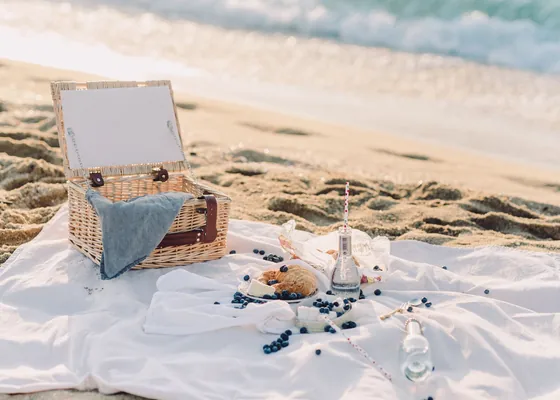

By the coastA good coastal wildlife encounter gives the animals room to continue what they were doing. Plan for observation, not closeness.
Read the guide ↗ 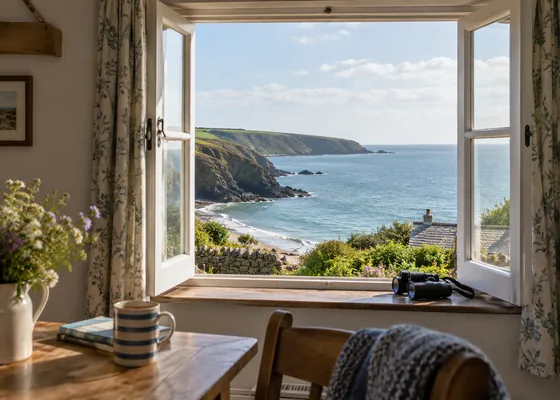
By the coastA sea view can shape breakfast, rest days and evenings. Work out what the view actually offers before making it the deciding feature of a cottage.
Read the guide ↗ 
By the coastNearby beaches can differ in surface, exposure and access. Having two options gives a coastal stay flexibility without requiring a different destination every day.
Read the guide ↗ 
By the coastTwo nights by the sea leave room for one full day and a few smaller moments. A restrained plan can make the stay feel longer than a crowded one.
Read the guide ↗ 
By the coastA second visit to a familiar beach can be the easiest outing of the day. Keep it short, check the changed conditions and leave time to return comfortably.
Read the guide ↗ 
By the coastA passenger boat trip can add a different perspective to a coastal stay. Choose it for the actual journey and boarding arrangements, not just the view promised in a photograph.
Read the guide ↗ 
By the coastThe practical beginning of a beach visit often happens before you see the sand. A little arrival planning can make the whole outing easier.
Read the guide ↗ 
By the coastA gentler route to the shore depends on the whole journey, from parking or transport to a comfortable place to stop. Look for specific details rather than reassuring labels.
Read the guide ↗ 
By the coastA flexible coastal day has one clear idea and room to change its order. Keep alternatives close enough that a shift in weather does not become a long drive.
Read the guide ↗ 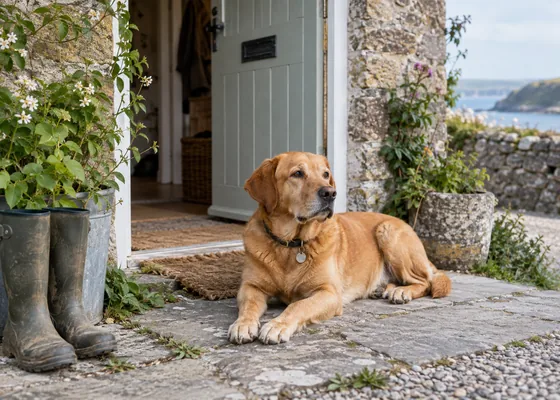
With your dogA pet symbol tells you a dog may be admitted. The useful question is whether the property and its rules suit the holiday you have in mind.
Read the guide ↗ 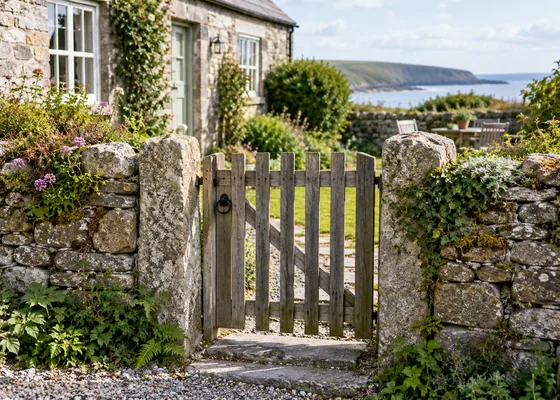
With your dogA garden can be enclosed without being suitable for every dog. Ask about its edges, gates and shared access before treating it as a deciding feature.
Read the guide ↗ 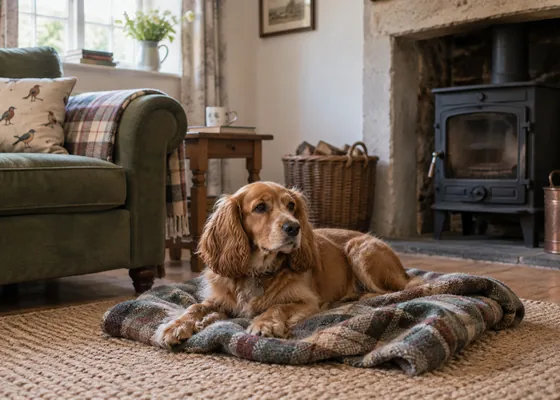
With your dogUnloading, dinner and an unfamiliar house can make arrival busy. A few familiar things help the evening settle into an ordinary routine.
Read the guide ↗ 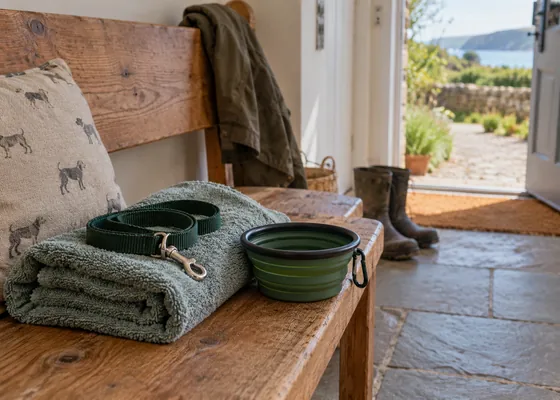
With your dogA compact, familiar collection is easier to use than a boot full of pet accessories. Pack around the routines your dog already has.
Read the guide ↗ 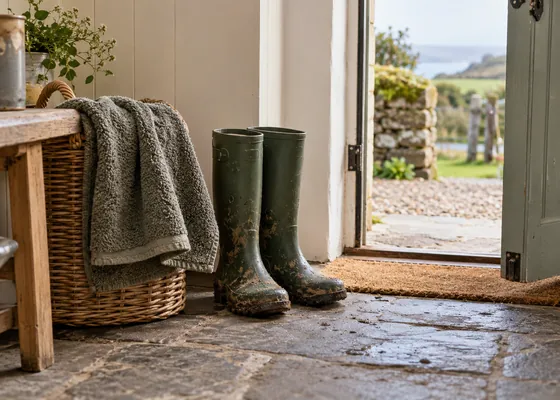
With your dogChoose one small place for wet leads, towels and shoes so that every return does not spread across the whole cottage.
Read the guide ↗ 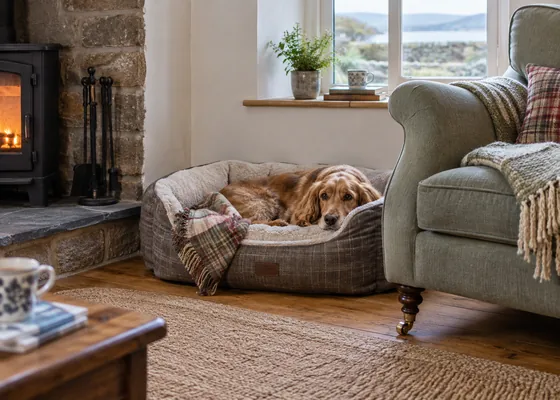
With your dogThe best sleeping spot fits the cottage rules, your dog's familiar routine and the way everyone else moves through the house.
Read the guide ↗ 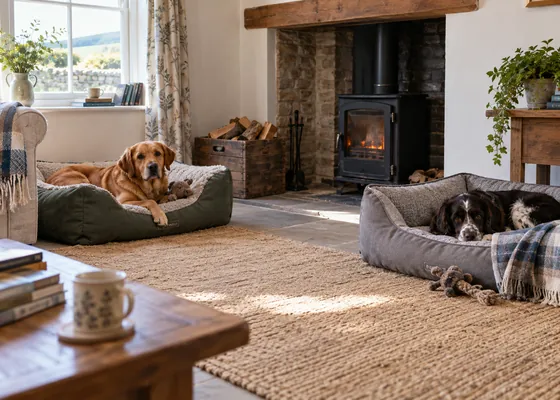
With your dogTwo dogs bring two sets of habits. Look at the available space and everyday routines rather than assuming that a two-dog allowance answers everything.
Read the guide ↗ 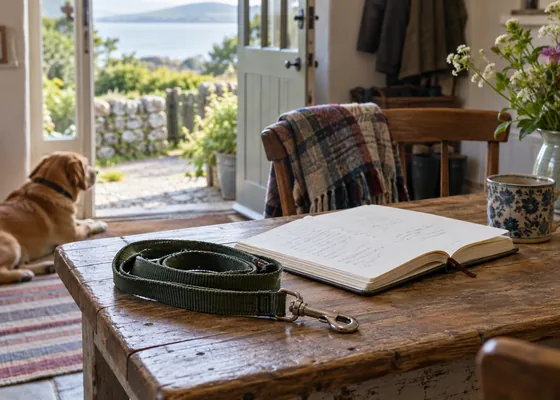
With your dogPet conditions affect the whole stay, from sleeping arrangements to lunch plans. Read them as practical instructions rather than small print to revisit later.
Read the guide ↗ 
With your dogDecide where your dog will rest before bags and coats fill the room, and follow the cottage's actual furniture rules.
Read the guide ↗ 
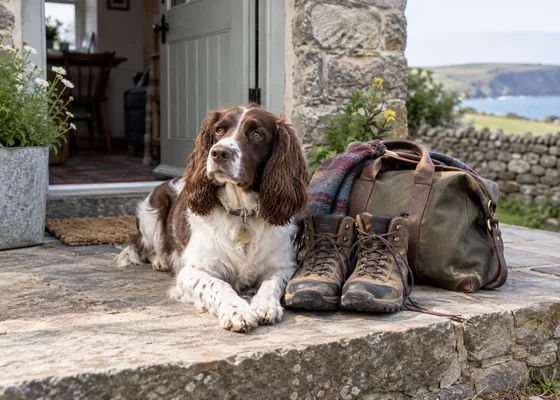
With your dogFor two or three nights away, a familiar routine and one good outing can be more enjoyable than a full dog-friendly itinerary.
Read the guide ↗ 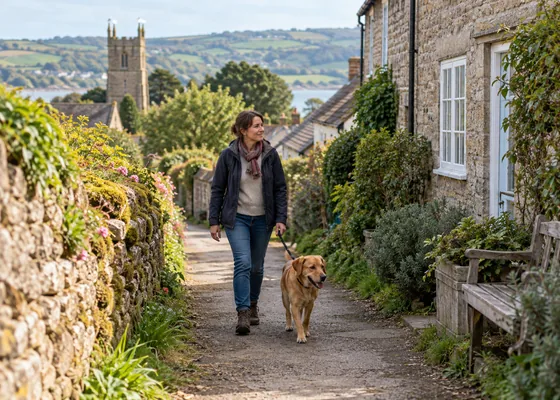
With your dogThe route you use before breakfast matters as much as the scenic outing. Check what is genuinely available from the cottage door.
Read the guide ↗ 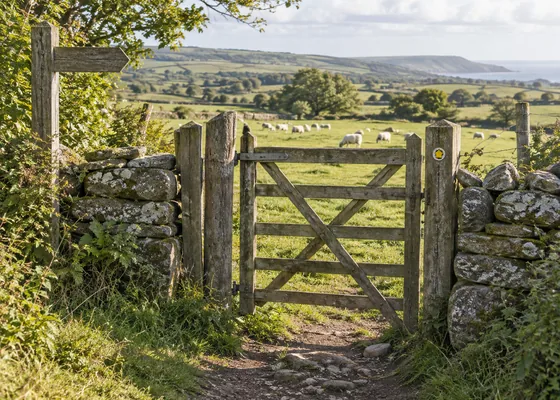
With your dogA cottage near fields may be close to working livestock. Choose dog walks with the land use in mind and consult the current countryside guidance for your destination.
Read the guide ↗ 
With your dogA coastal town may welcome dogs while individual beaches have different conditions. Check the exact access point and dates for the stretch you intend to use.
Read the guide ↗ 
With your dogA pub can be a pleasant part of a dog-friendly day when you know where the dog may sit and keep the visit suited to the space.
Read the guide ↗ 
With your dogA wet day does not need an elaborate substitute itinerary. Keep the dog's normal needs covered and let the cottage provide the rest of the afternoon.
Read the guide ↗ 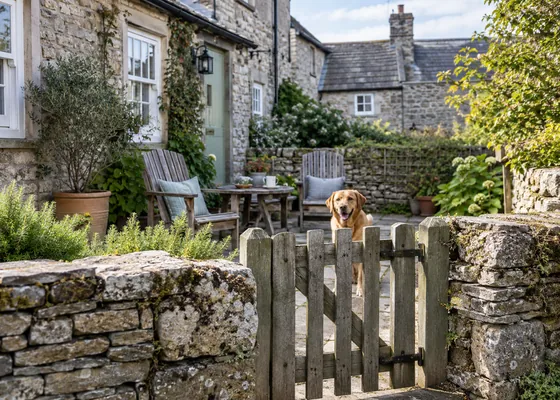
With your dogA shared garden can work well, provided you understand who uses it and do not treat it as a private exercise space for your dog.
Read the guide ↗ 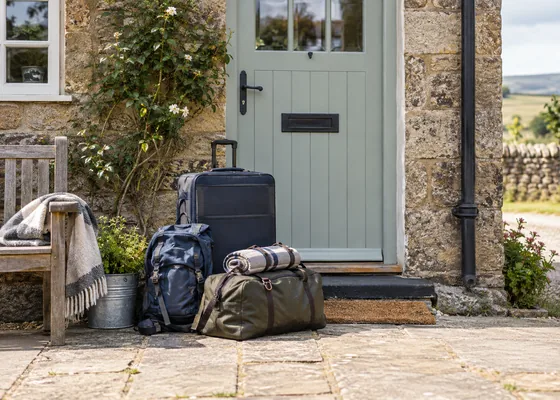
With your dogAn unfamiliar entrance and a car full of bags are easier to manage when one person has a clear responsibility for the dog.
Read the guide ↗ 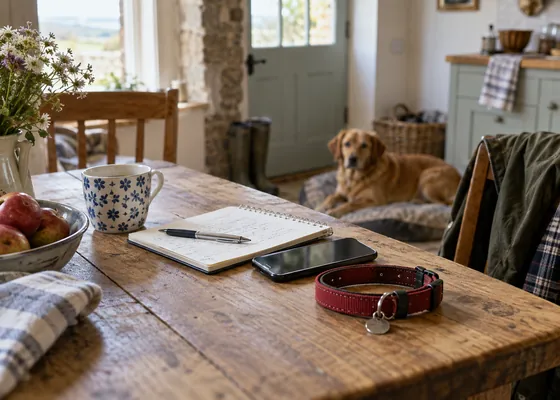
With your dogSave a few useful details before travelling so that a weak signal or an unfamiliar postcode does not make a simple enquiry harder.
Read the guide ↗ 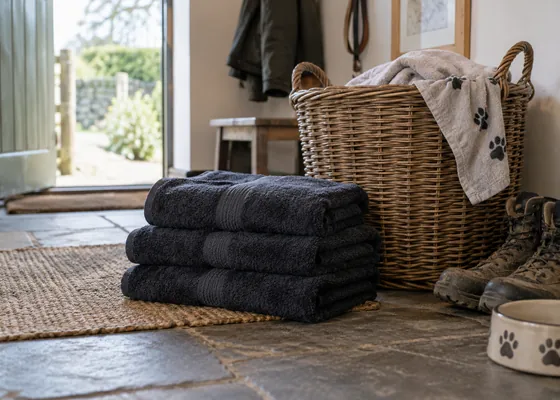
With your dogA few separate towels and a clear drying place keep muddy dog equipment from becoming mixed with the cottage's everyday linen.
Read the guide ↗ 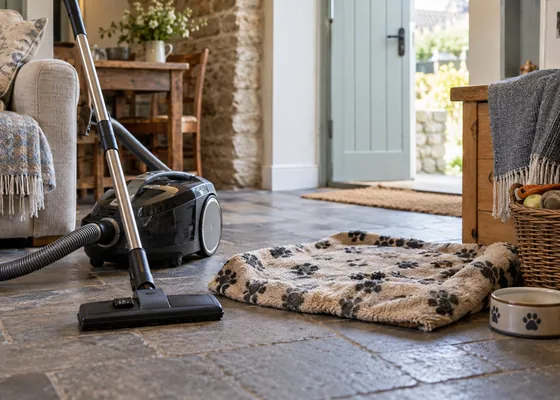
With your dogBuild the dog's ordinary morning into departure, then tidy the places that pet equipment has occupied during the stay.
Read the guide ↗ 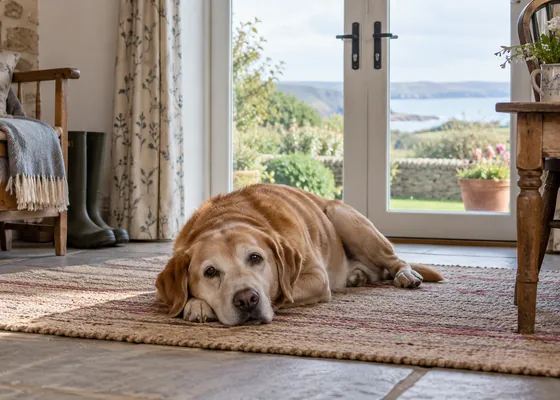
With your dogFor an older dog, the most useful holiday feature may be an easy doorway or a familiar daily pace. Choose the stay around the dog rather than a list of outings.
Read the guide ↗ 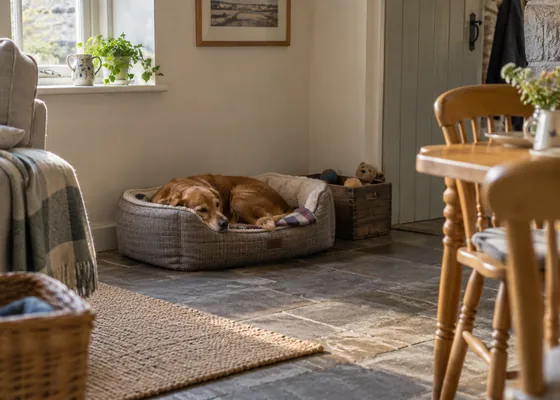
With your dogWhen several people share a cottage, give the dog a predictable resting place and make the household rules clear to everyone.
Read the guide ↗ 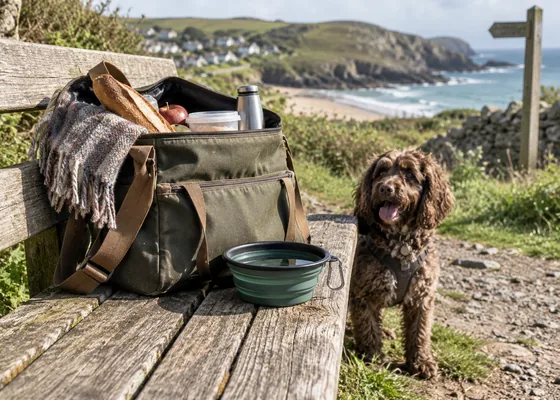
With your dogPlan where the dog will be while you eat, including the ordinary lunch stop that often gets overlooked when the main outing is booked.
Read the guide ↗ 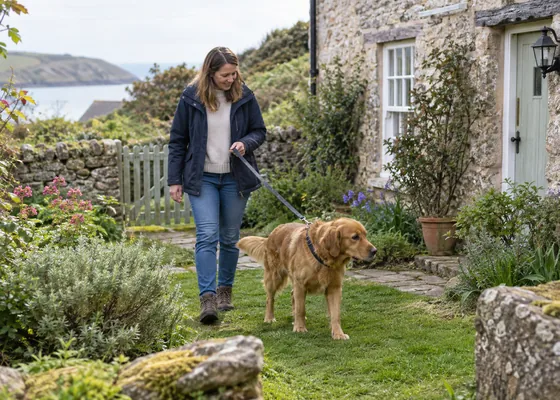
With your dogTreat the garden as a place to enjoy together until you have checked how it is arranged and understood the host's conditions.
Read the guide ↗ 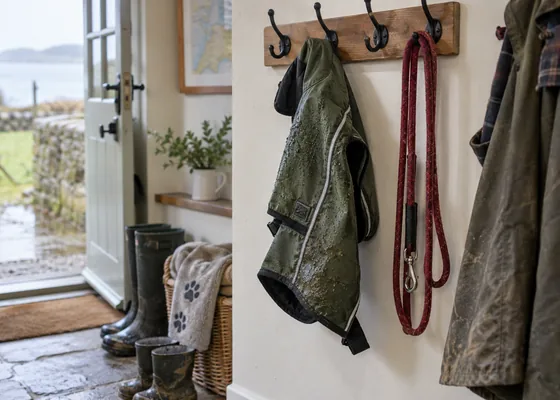
With your dogWet leads, coats and towels need a small system of their own, particularly in a cottage without a separate utility room.
Read the guide ↗ 
With your dogA short, specific enquiry can reveal more than a long exchange about whether your dog will be welcome. Ask questions that change your booking decision.
Read the guide ↗ 
With your dogA light agreement about the first and last walks prevents a shared holiday from quietly becoming one person's set of chores.
Read the guide ↗ 
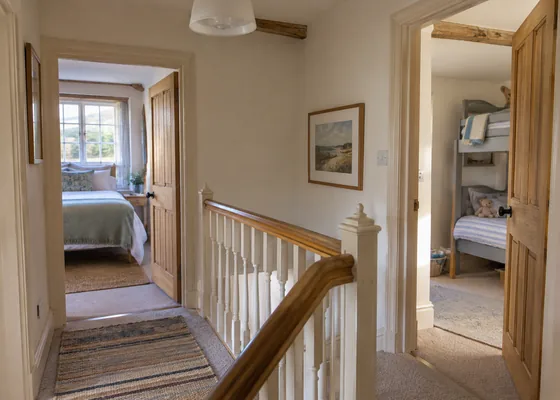
Going togetherThe number of beds tells only part of the story. Look at how bedrooms connect, who uses each one and what happens after the lights go out.
Read the guide ↗ 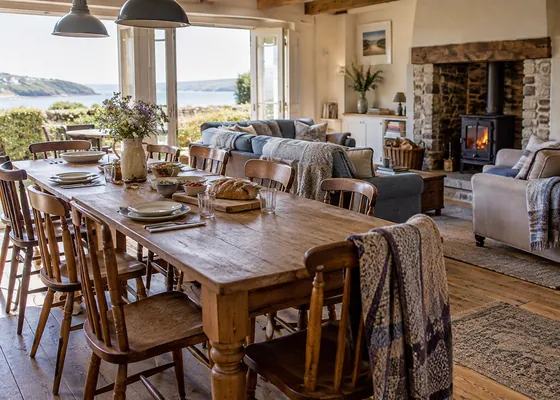
Going togetherA stay across generations works best when access, privacy and daily pace are discussed together, before the most enthusiastic person chooses the house.
Read the guide ↗ 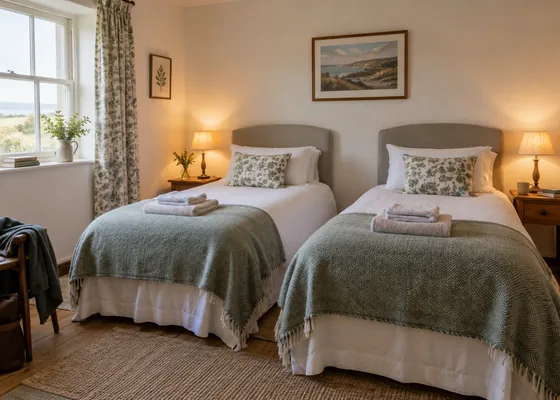
Going togetherAgree who sleeps where while the booking is still a plan, not when the first person walks through the door with a suitcase.
Read the guide ↗ 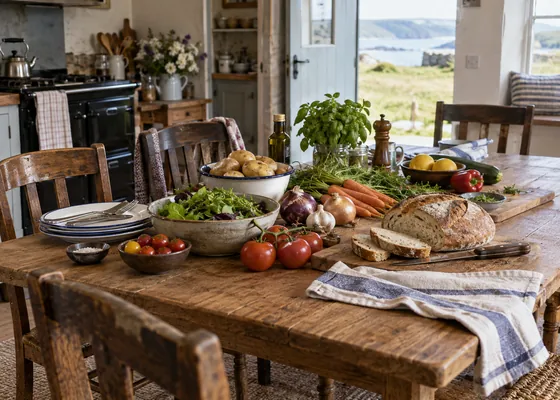
Going togetherA little coordination can produce good shared meals without turning one guest into the holiday cook or filling the kitchen with duplicate shopping.
Read the guide ↗ 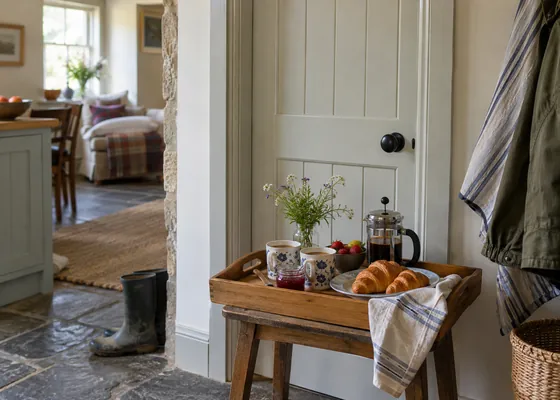
Going togetherDifferent waking times need not divide the group. A little preparation lets the first person up enjoy the morning without starting everyone's day.
Read the guide ↗ 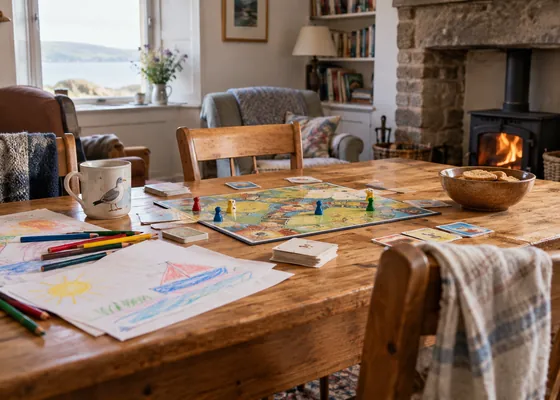
Going togetherChoose a few activities that fit the room and the ages in your group, then leave enough space for an afternoon that does not run to a programme.
Read the guide ↗ 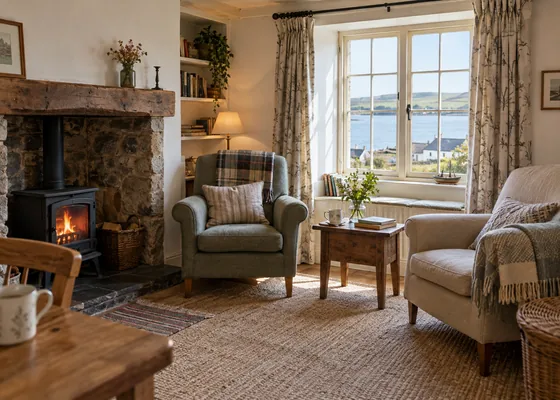

Going togetherAgree how costs will be shared before anyone pays a deposit. A clear, ordinary conversation is easier than resolving different assumptions after the holiday.
Read the guide ↗ 
Going togetherA shared cottage does not require a shared speed. Build the stay around a few common moments and let the rest of the day hold different preferences.
Read the guide ↗ 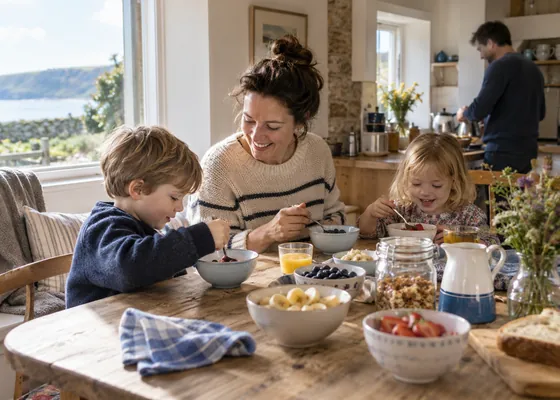
Going togetherA familiar meal rhythm and a workable kitchen can make family self-catering easier without reproducing every detail of home.
Read the guide ↗ 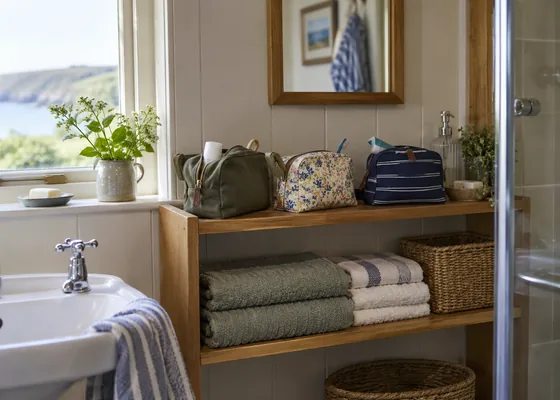
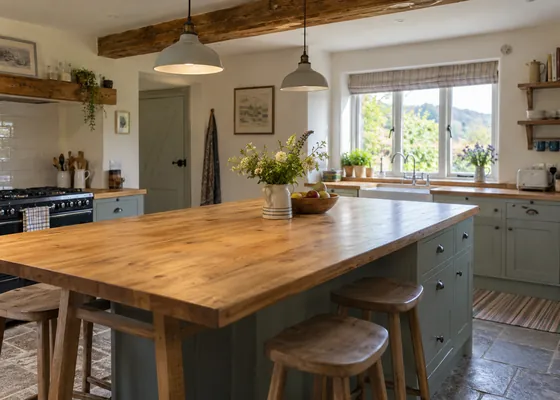
Going togetherA kitchen can look generous in photographs and still struggle with a large group's dinner. Check work space, equipment and storage against the meals you intend to make.
Read the guide ↗ 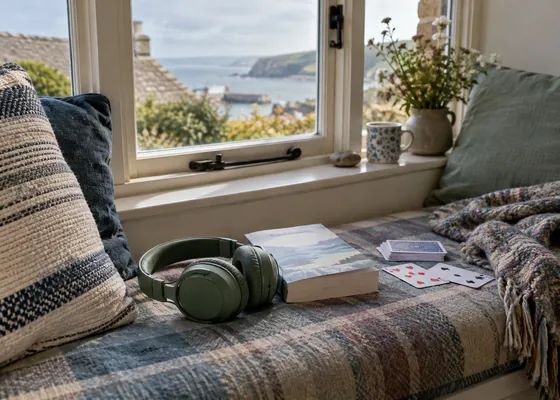
Going togetherGive teenagers a real role in planning, including how much shared activity they want and what the cottage can actually provide.
Read the guide ↗ 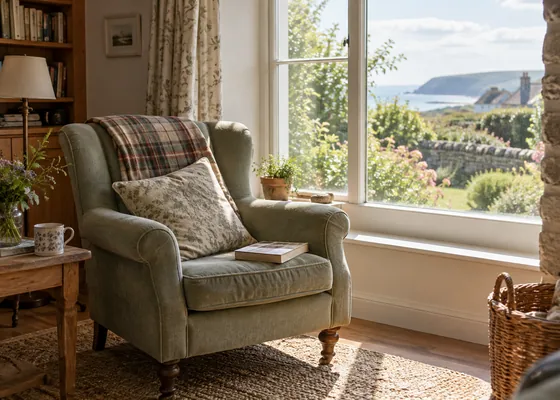
Going togetherA little time alone can make a shared stay more enjoyable. Treat it as part of the holiday rather than a departure from the group.
Read the guide ↗ 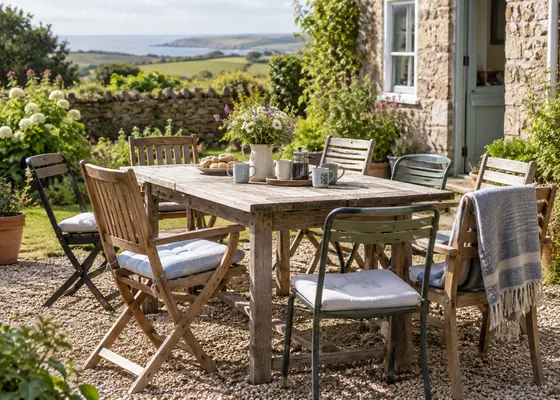
Going togetherDaytime visitors change parking, meals and the use of the cottage. Confirm the arrangement with the host and keep the invitation suited to the property.
Read the guide ↗ 
Going togetherA birthday or anniversary can feel special in a cottage without turning the property into an event venue. Plan around permission, space and a manageable meal.
Read the guide ↗ 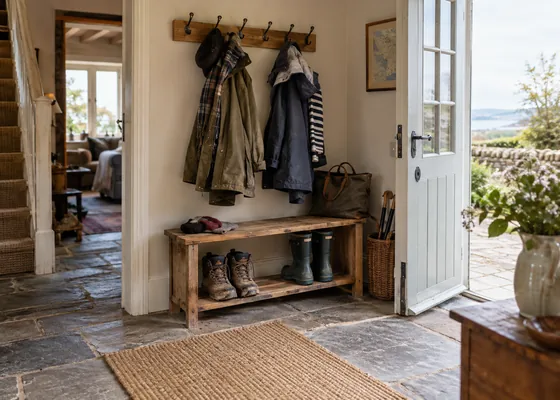
Going togetherTwo families bring two versions of ordinary life. Agree the essentials before booking, then allow enough room for routines that do not match exactly.
Read the guide ↗ 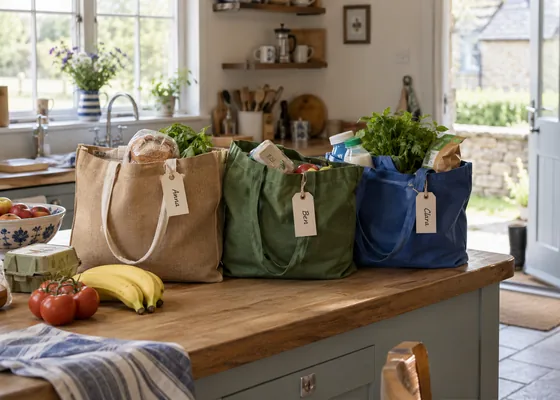
Going togetherStaggered arrivals can be comfortable when the first guests have clear instructions and the later ones can settle in without restarting the whole evening.
Read the guide ↗ 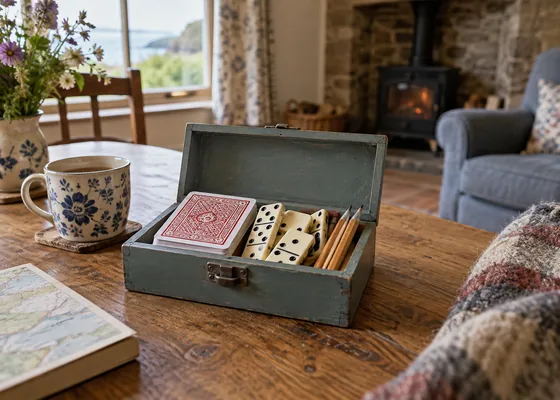
Going togetherA small collection of familiar games is more likely to be used than a heavy box of ambitious choices nobody has time to learn.
Read the guide ↗ 
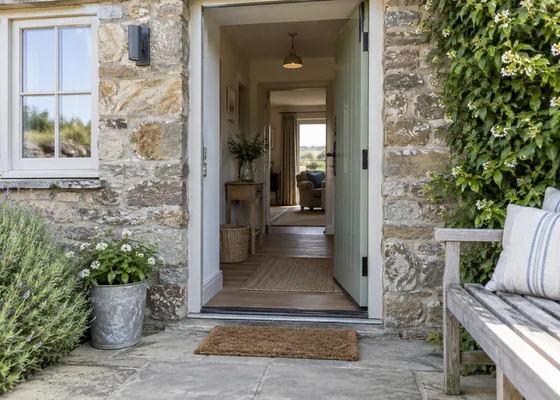
Going togetherAsk about the features each guest needs before choosing the cottage, and let the person using those features judge the information.
Read the guide ↗ 
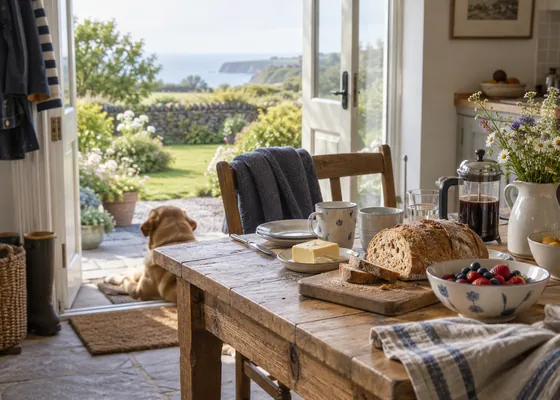
Going togetherThe first morning can be a chance to understand the cottage and settle the family before starting the main holiday plan.
Read the guide ↗ 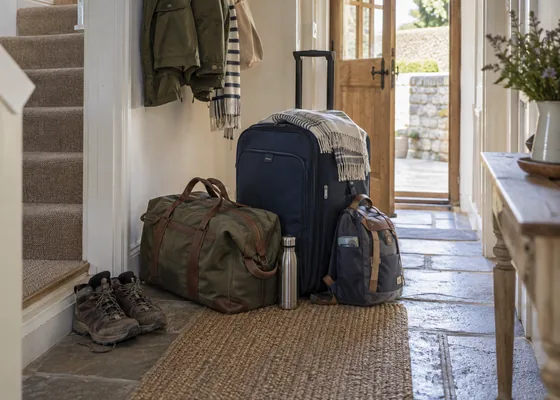
Going togetherAgree the leaving time and divide the final jobs before the last morning, so checkout does not become a house full of people asking what still needs doing.
Read the guide ↗ 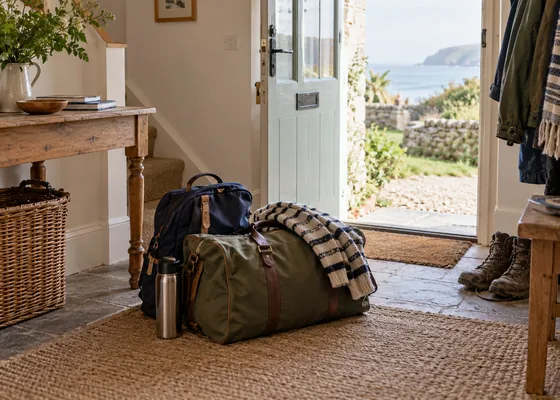
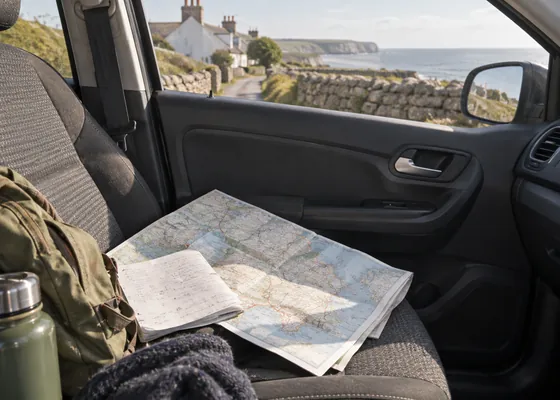
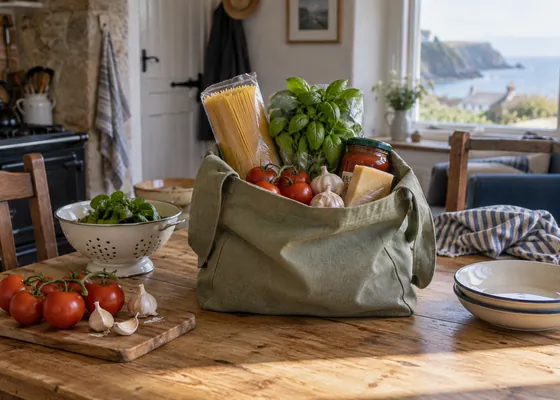

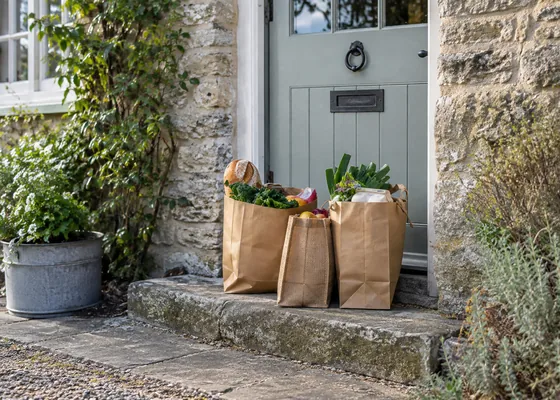


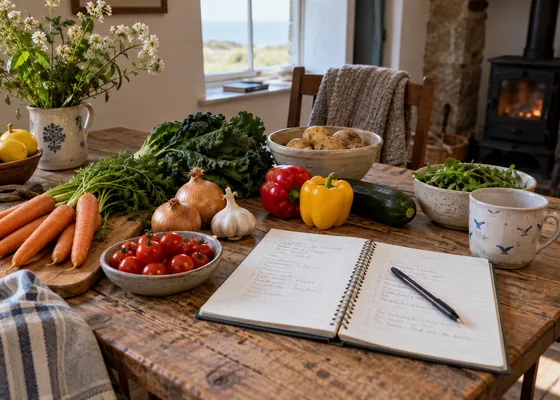
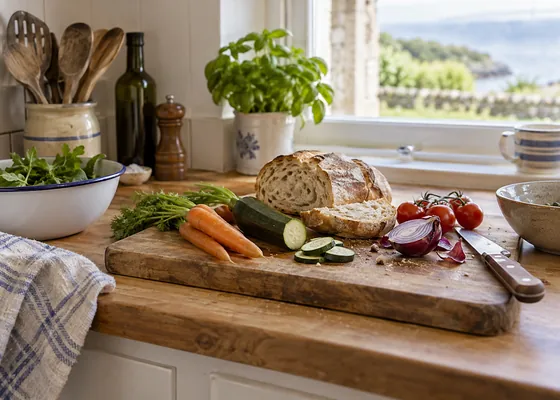
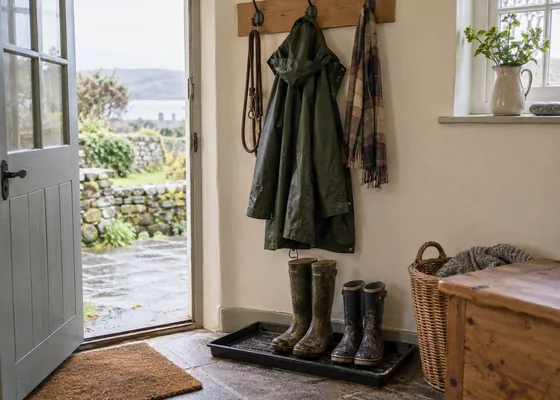

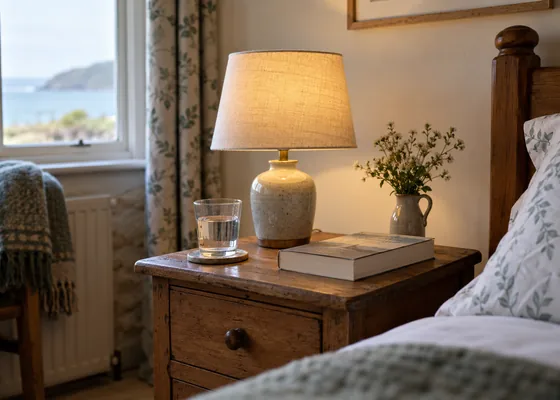

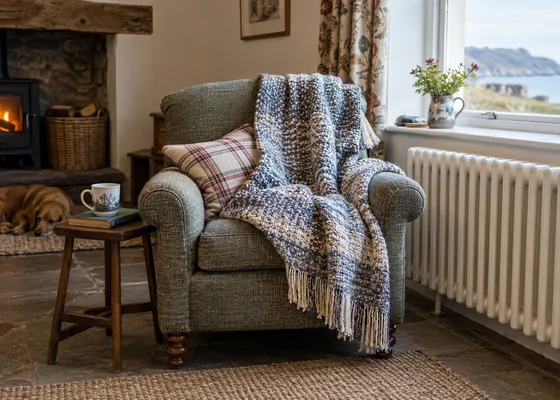
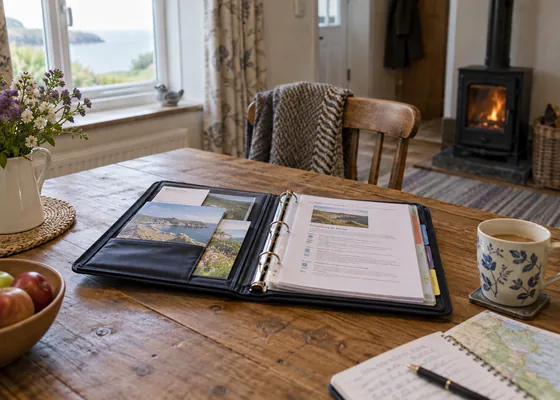
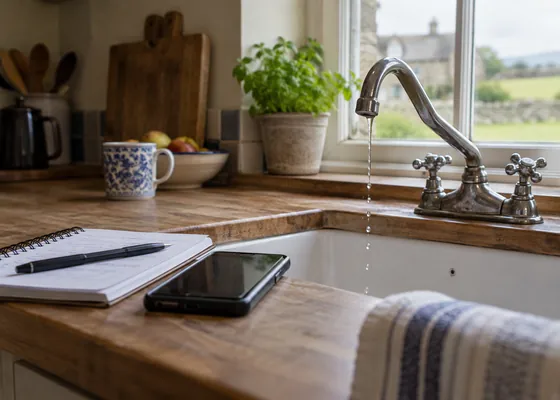
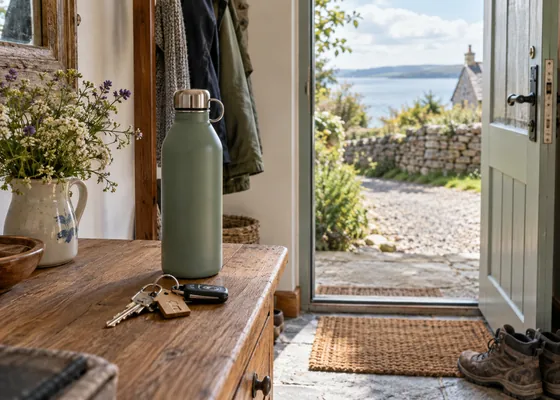
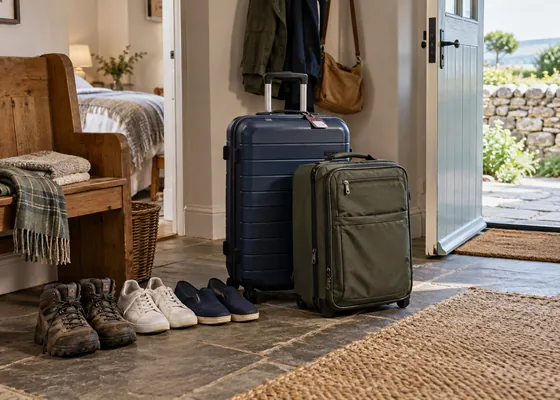
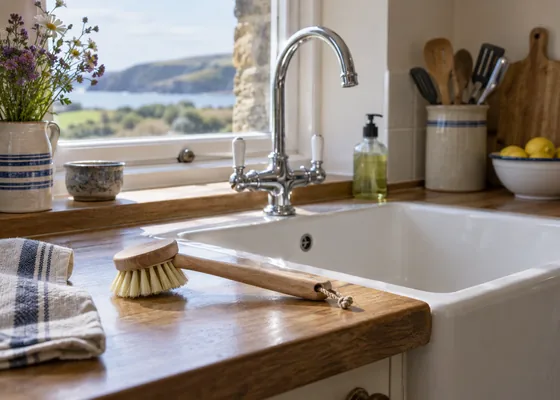
Through the seasonsPack a small combination of familiar clothes that can adapt to the day's plans, rather than a separate outfit for every possible version of spring.
Read the guide ↗ 
Through the seasonsAn early spring break can be about fresh light, quiet mornings and a comfortable base, with plans that do not depend on the season having fully arrived.
Read the guide ↗ 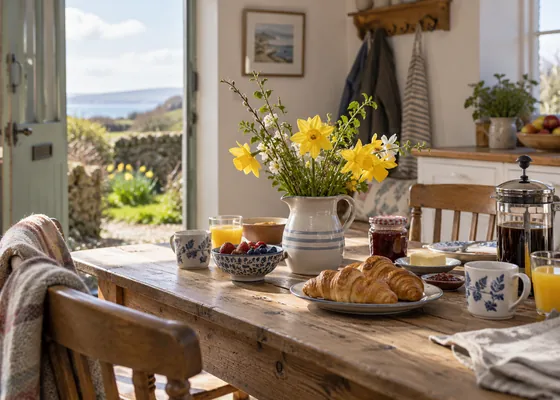
Through the seasonsA long weekend offers a little more time, but arrivals, meals and booked outings can still fill it quickly. Leave room for the cottage itself.
Read the guide ↗ 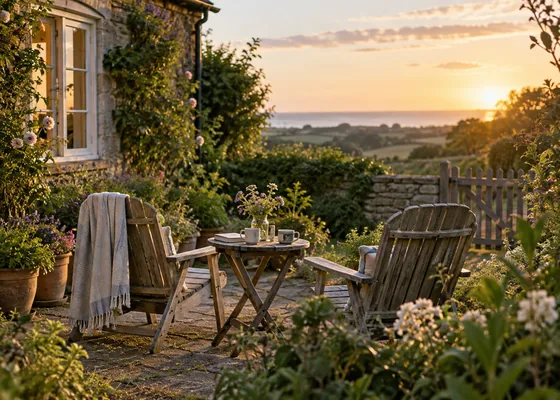
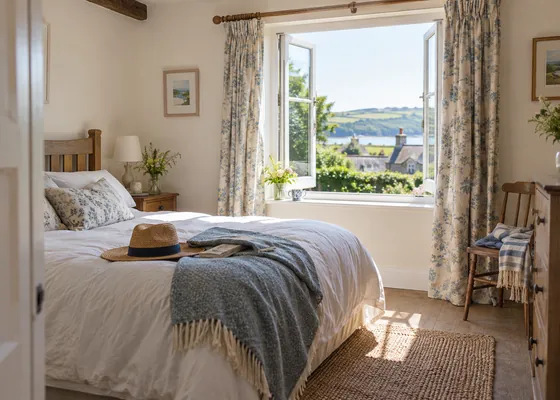
Through the seasonsAsk about the room's layout, shading and ventilation before a summer booking, particularly when photographs focus on bedding rather than how the room feels through the day.
Read the guide ↗ 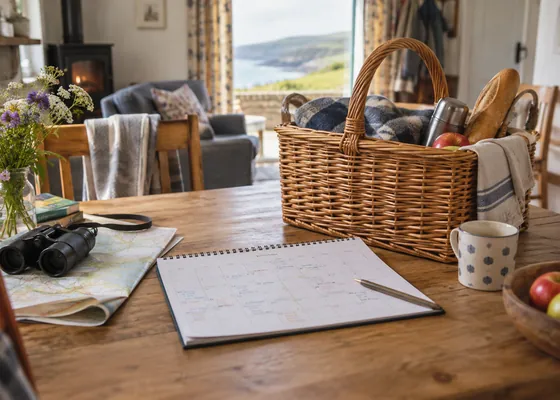
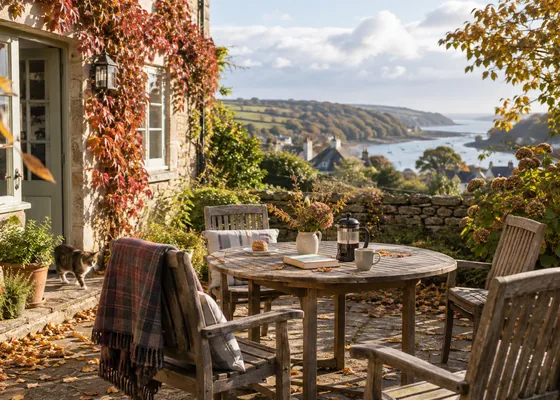
Through the seasonsA September stay can suit a slower daily pattern, but choose it for the time you want away rather than a promise of summer weather or empty places.
Read the guide ↗ 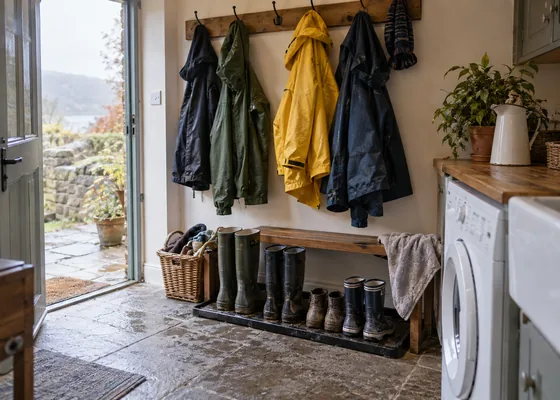
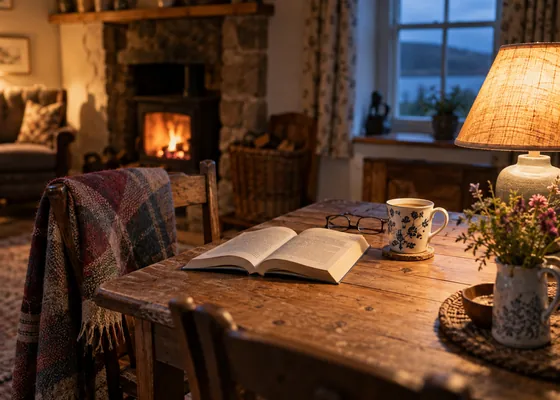
Through the seasonsEarlier evenings can give a cottage stay a different shape: an outing followed by time to cook, read or sit together without another journey.
Read the guide ↗ 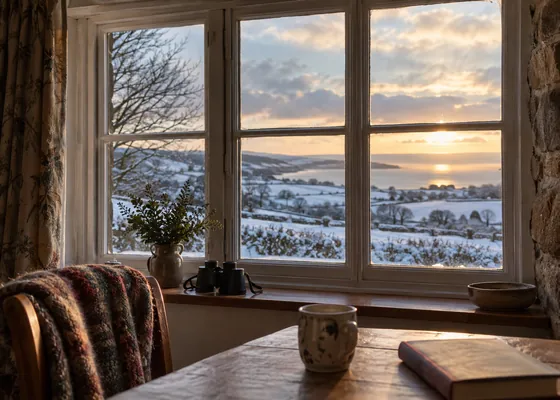
Through the seasonsUse the actual daylight for your dates and location when shaping a winter break, then let the cottage carry more of the late afternoon and evening.
Read the guide ↗ 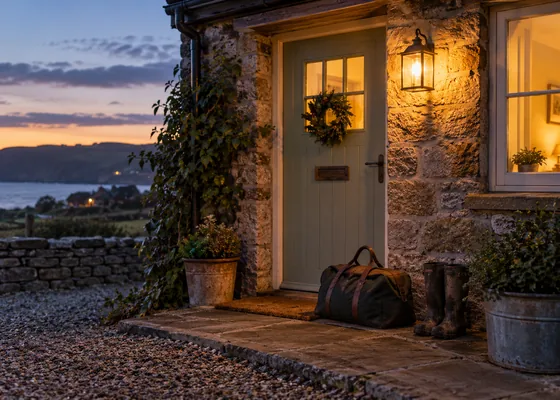
Through the seasonsClear directions, an easy meal and accessible essentials make a winter arrival more manageable, especially when you expect to reach the cottage after dark.
Read the guide ↗ 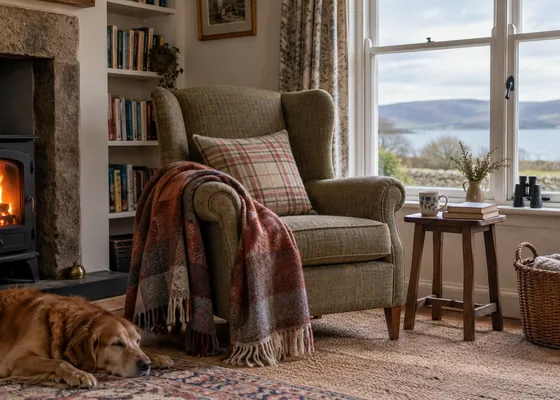

Through the seasonsBuild the meal around the cottage kitchen you have booked, then confirm the few pieces of equipment that genuinely determine what you can cook.
Read the guide ↗ 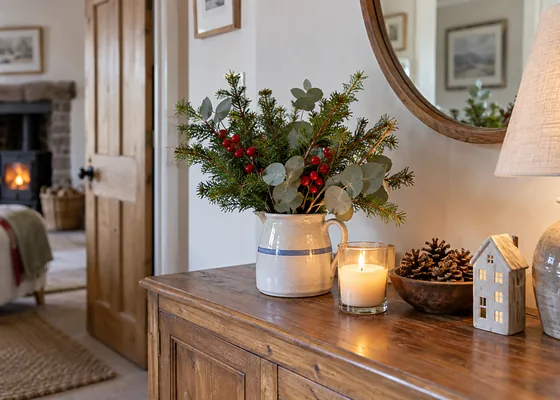
Through the seasonsA small festive touch can make the cottage feel like part of the occasion without leaving marks, scattered materials or a large packing job.
Read the guide ↗ 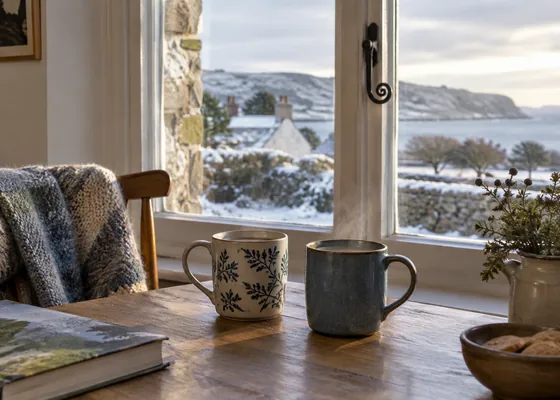

Through the seasonsCheck the few local services your stay actually depends on, rather than assuming that a quieter season means either everything is open or everything is closed.
Read the guide ↗ 
No guides found. Try a shorter phrase or choose another subject.